Nestled amidst millennia of history and stunning landscapes, Türkiye stands as a unique destination. Situated at the crossroads of Europe and Asia, it has long been a cultural melting pot, absorbing influences from across the globe. The legacy of the Ottoman Empire, which once stretched from Hungary to Iraq, is evident in the rich blend of Hellenic, Arabic, Balkan and North African cultures that define modern-day Türkiye. This vibrant cultural tapestry permeates every aspect of life, from the flavours of its cuisine to the rhythms of its music, offering a sensory journey through time.
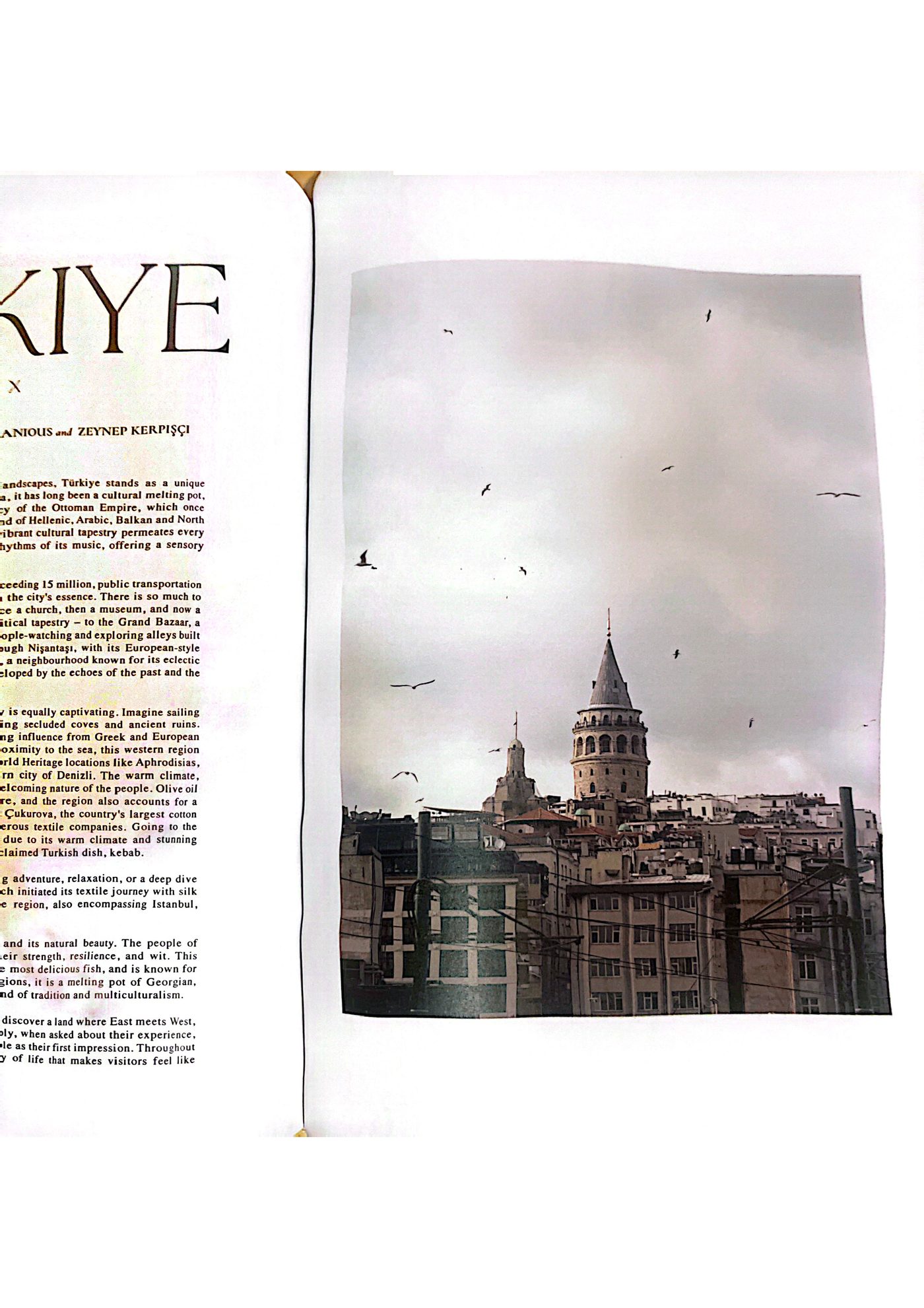
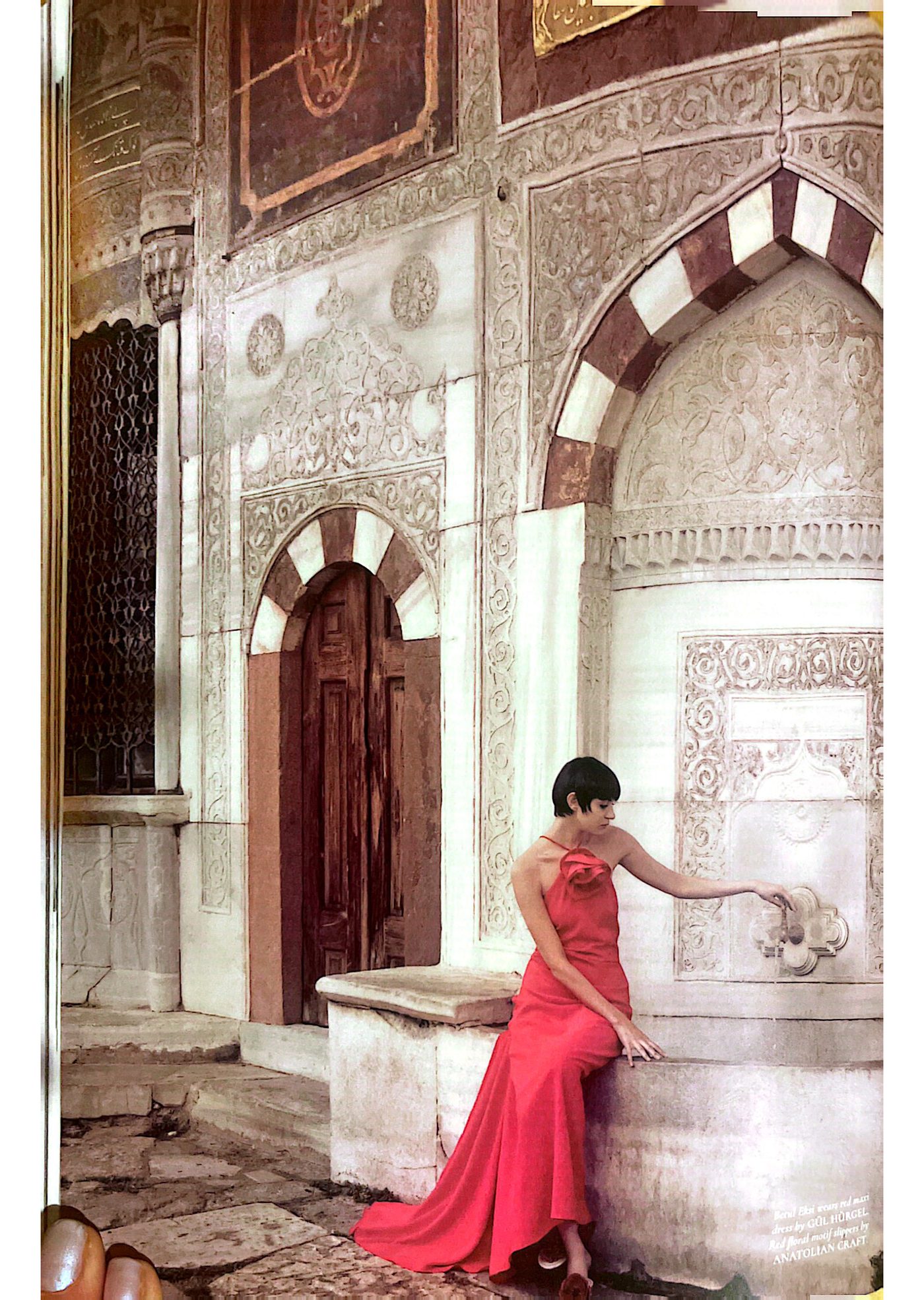
In Istanbul, a bustling metropolis with a population exceeding 15 million, public transportation offers the fastest way to explore and immerse oneself in the city's essence. There is so much to see, from historical marvels like the Hagia Sophia (once a church, then a museum, and now a mosque, reflecting the city's dynamic religious and political tapestry) to the Grand Bazaar, a cultural haven ideal for travellers who enjoy shopping, people-watching and exploring alleys built during the 15th-century Ottoman Empire. Strolling through Nişantaşı, with its European-style avenues and Italian influenced architecture, and Karaköy, a neighbourhood known for its eclectic blend of historic and modern structures, you will be enveloped by the echoes of the past and the vibrant pulse of contemporary Istanbul.
Beyond its historical marvels, Türkiye's natural beauty is equally captivating. Imagine sailing along the turquoise coastline of the Aegean Sea, passing secluded coves and ancient ruins. The Aegean region, encompassing important cities like Izmir, reflects a strong influence from Greek and European cultures, characterized by its relaxed atmosphere and proximity to the sea. This western region bears a strong Ancient Greek influence with UNESCO World Heritage locations like Aphrodisias, Laodicea on the Lycus or Hierapolis, near to the modern city of Denizli. The warm climate, beaches, and the Aegean Sea contribute to the calm and welcoming nature of the people. Olive oil and wine production and consumption are prevalent here, and the region also accounts for a significant portion (42%) of Turkey's cotton production. Çukurova, the country's largest cotton producer, is also located in this region, attracting numerous textile companies. Going to the southern region, after Istanbul, is a major tourist draw due to its warm climate and stunning coastline. It's also the birthplace of the internationally acclaimed Turkish dish, kebab.
There is something for every traveller, whether seeking adventure, relaxation, or a deep dive into history and culture. On the northern side, Bursa, which initiated its textile journey with silk weaving, is now considered Turkey's textile capital. The region, also encompassing Istanbul, boasts the highest economic contribution to the country.
The Black Sea region stands out for both its people and its natural beauty. The people of Karadeniz, particularly the women, are renowned for their strength, resilience, and wit. This region boasts the greenest landscapes in Turkey, offers the most delicious fish, and is known for its humorous and lively culture. While in the eastern regions, it is a melting pot of Georgian, Azerbaijani, and Armenian cultures, creating a unique blend of tradition and multiculturalism.
Türkiye is more than a destination; it is an invitation to discover a land where East meets West, and history blends seamlessly with modernity. Most notably, when asked about their experience, tourists often cite the warm hospitality of the Turkish people as their first impression. Throughout Türkiye, hospitality is not merely a gesture; it is a way of life that makes visitors feel like honoured guests in every corner of the country.